Cannabidiol, commonly known while CBD, has garnered significant attention in recent years intended for its potential beneficial benefits, particularly in taking care of symptoms and side effects associated using cancer treatment. While researchers delve deeper into its properties, CBD shows promise throughout alleviating pain, feeling sick, as well as other debilitating symptoms that accompany cancer therapies. This article explores the position of CBD petrol in cancer treatment, its benefits, prospective risks, as well as the current state of analysis.
Understanding CBD Petrol and Its System
CBD is one particular of over one hundred cannabinoids found inside the cannabis herb. Unlike tetrahydrocannabinol (THC), another well-known cannabinoid, CBD is non-intoxicating, meaning it doesn’t produce the “high” typically connected with hashish use. Instead, interacts with the particular body’s endocannabinoid system (ECS), a complex network of pain associated with regulating several physiological processes, which include pain sensation, mood, appetite, and immune function.
Benefits associated with CBD Oil found in Cancer Remedy
Pain Management: Cancer therapies such as radiation treatment, radiation, and surgical treatment can cause serious pain. CBD interacts with neurotransmitters plus receptors within the ECS to potentially minimize pain and infection, offering an all natural alternative or complement in order to traditional pain drugs.
Nausea and Nausea or vomiting Relief: The most disturbing side effects involving chemotherapy is nausea or vomiting and vomiting. Studies suggest that CBD could help reduce these symptoms by communicating with serotonin pain in the mind, which can be involved found in regulating nausea and vomiting.
Appetite Activation: Cancer and its particular remedies often cause damage of appetite in addition to weight loss, which often can weaken the particular body and have an effect on overall well-being. CBD has shown promise in stimulating appetite through its interaction with cannabinoid pain that regulate meals intake.
Anxiety and Depression: Coping with cancer diagnosis and remedy can take some sort of toll on mental health, leading to anxiety and major depression. CBD has recently been studied due to its potential anxiolytic and antidepressant effects, offering some sort of natural way to be able to alleviate these symptoms.
Sleep Improvement: Sleeping disorders and sleep disorders are common between cancer patients. CBD may help promote better sleep by simply interacting with receptors in the brain that will regulate the sleep-wake cycle.
Current Exploration and Clinical Studies
While research and even anecdotal evidence advise the potential benefits of CBD oil throughout cancer treatment, more rigorous clinical trial offers are expected to establish its efficacy plus safety conclusively. Typically the legality of CBD varies by place, impacting research availability and regulation. Even so, ongoing studies usually are exploring its part in managing cancer-related symptoms and increasing quality of existence for patients.
Potential Risks and Factors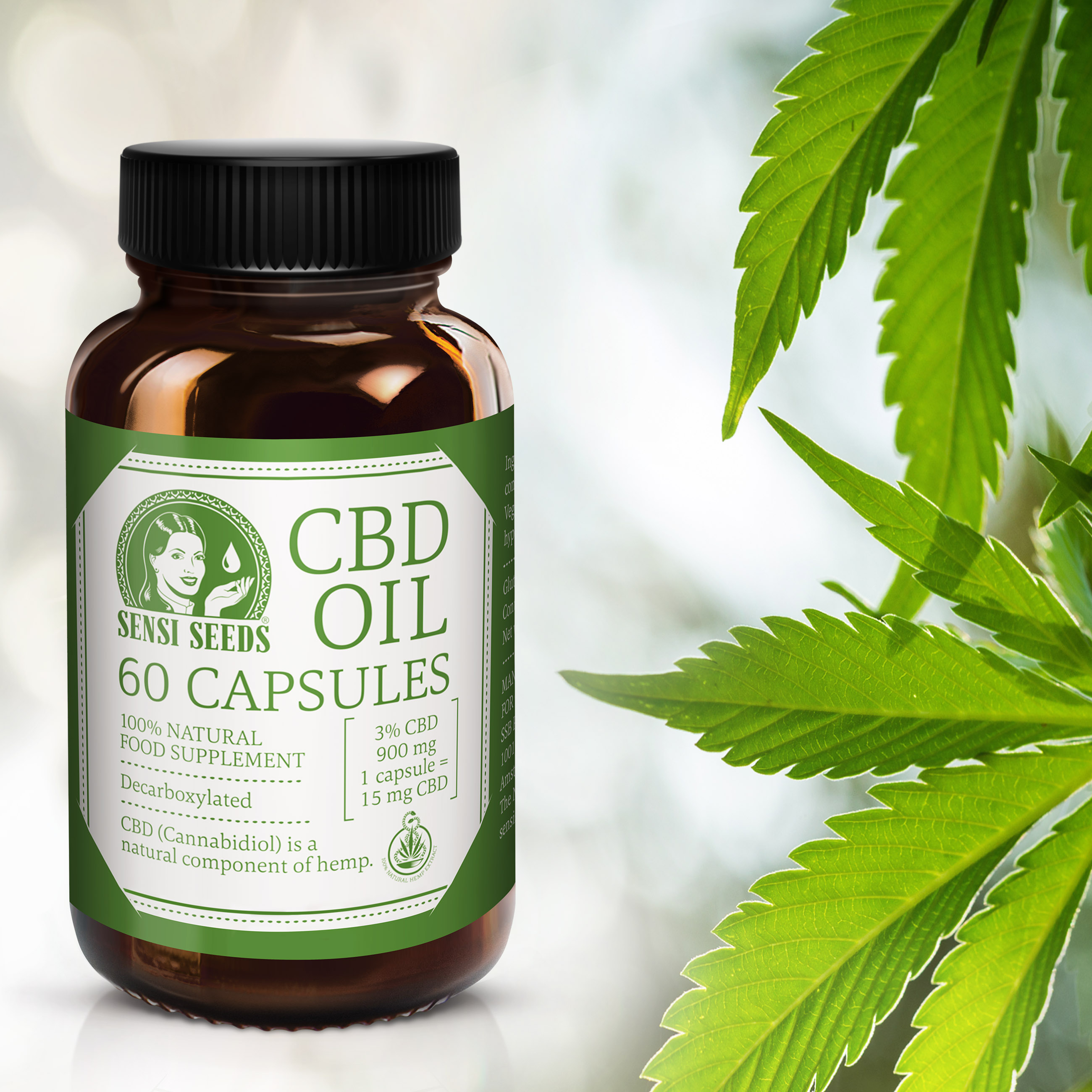
Drug Interactions: CBD can interact together with certain medications, which include chemotherapy drugs plus medications metabolized by the liver. It’s crucial for sufferers to consult with healthcare providers just before incorporating CBD in to their treatment program.
Quality and Regulation: The CBD companies are largely unregulated, bringing about variability in product or service quality and strength. reference should pick CBD products from reputable manufacturers and be sure they undergo third-party testing for wholesomeness and consistency.
Side Effects: While CBD is mostly well-tolerated, some men and women may experience side effects such as dry mouth, diarrhea, exhaustion, and changes in urge for food. These effects usually are typically mild and diminish with period or adjusting the particular dosage.
Conclusion
CENTRAL BUSINESS DISTRICT oil shows promise as a complementary treatment in cancer therapy, primarily for managing symptoms and aspect effects that can significantly impact patients’ quality of life. While research continues to be able to evolve, healthcare companies and patients as well are increasingly fascinated in exploring CBD’s potential benefits inside the context of complete cancer care. Understanding the current evidence, prospective risks, and corporate considerations is essential for informed decision-making regarding CBD employ in cancer treatment.
In summary, whilst CBD oil holds potential, it’s vital for patients to approach its make use of under medical guidance, ensuring safe and effective integration directly into their cancer treatment plan.